Skip to content
CISA
CISA
Centre for Invasive
Species Africa
Open mobile navigation
Survey and field research team standing with monitoring equipment in a dry African landscape.
Pan-African research and action platform

Invasive species are reshaping Africa's ecosystems, farms, and livelihoods.

CISA helps people understand what invasive species are, why they matter, and how research, coordination, and practical action can reduce harm before it becomes harder to reverse.

Crop pests, invasive weeds, aquatic species, and disease vectors are affecting food systems and ecosystems across Africa.

The damage shows up in farms, rivers, biodiversity, trade systems, health risks, and household livelihoods.

CISA connects public education, research, partnerships, and response methods in one credible platform.

What CISA deals with

CISA focuses on invasive species in Africa and the damage they cause to farms, ecosystems, water bodies, biodiversity, health, and livelihoods.

Invasive species are harmful plants, pests, and other organisms that spread where they do not belong. They can reduce harvests, damage native ecosystems, block waterways, increase disease risk, and place real pressure on households and local economies.

CISA makes the issue easier to understand and easier to act on through research, public education, partnerships, and practical response guidance.
Threat

Pathways expand through trade, mobility, climate pressure, and weak surveillance coverage.

Impact

Damage appears in ecosystems, household economics, agricultural production, and institutional strain.

Response

The strongest results come from early detection, coordinated action, and durable local capacity.

Research and knowledge translation

Public education and clear communication

Partnerships and coordinated response

Practical action across affected systems

Why it matters

The impact is immediate and cumulative

The problem does not stay in one sector. It moves across food production, freshwater systems, biodiversity, public health, trade, and local livelihoods.

Ecosystems and biodiversity

Ecological disruption accumulates before recovery options narrow.

Invasive species alter habitats, displace native species, change fire regimes, degrade water systems, and weaken ecosystem services that communities rely on.

Livelihoods and food systems

Household vulnerability rises when ecological pressure becomes production pressure.

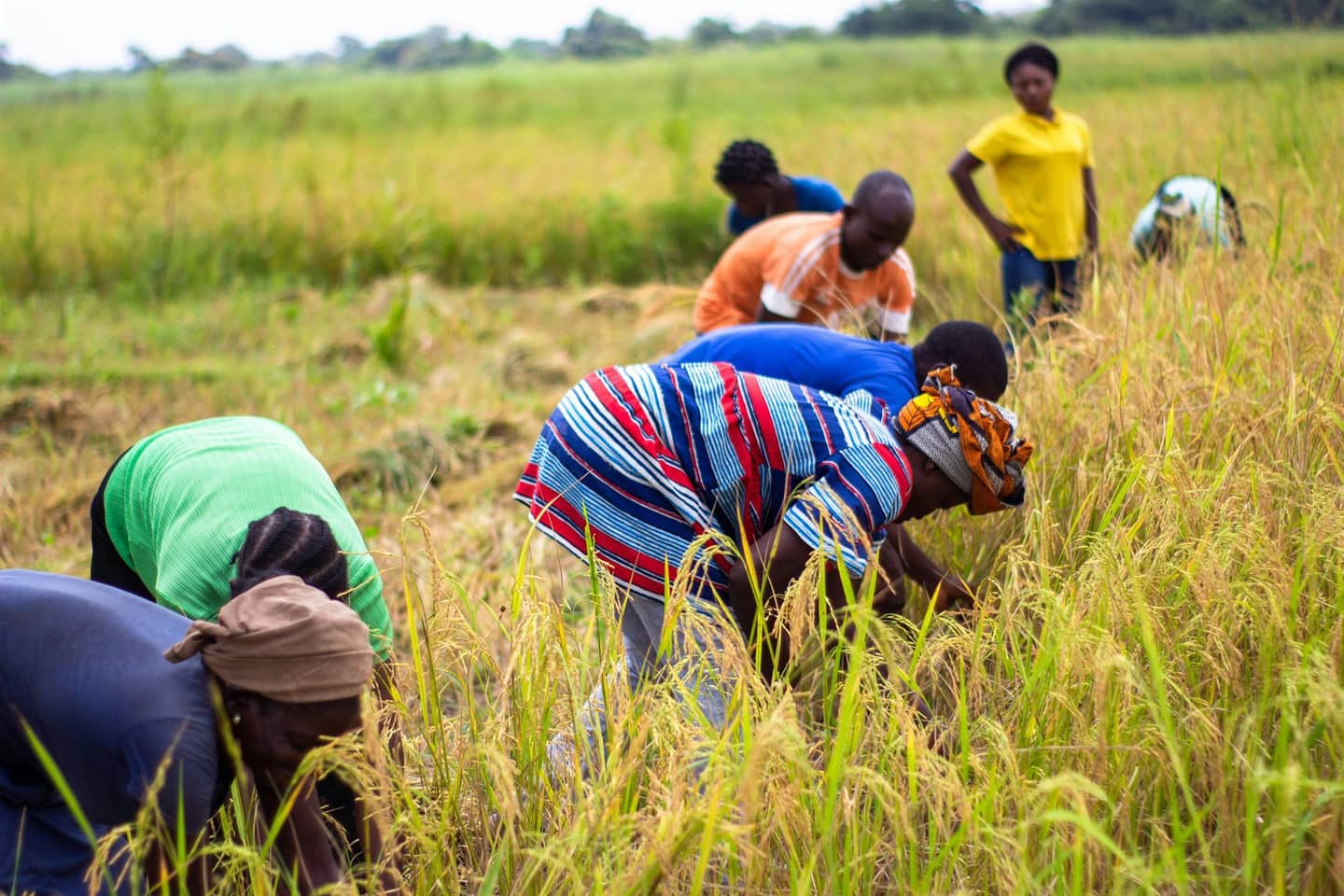
Crop pests, invasive weeds, and degraded grazing or water systems create direct economic strain for farmers, fishers, and pastoral communities.

Crop pests and crop diseases

Pest pressure quickly becomes a food security problem.

Agricultural invasions increase yield loss, raise control costs, and challenge extension systems that must support timely and practical response.

Human and animal health

Environmental change and health risk often move together.

Disease vectors and degraded ecological systems can intensify exposure risk for both people and livestock, especially where surveillance and services are limited.

Continental exposure

Over 70%

The DOCX brief frames invasive species as affecting more than 70% of the African continent, underscoring why CISA treats this as a continental readiness issue.

Economic pressure

Billions annually

Damage and management costs can run into billions each year through yield loss, ecosystem degradation, control costs, and disrupted livelihoods.

Trade risk

Market access

Fruit flies, quarantine pests, and contaminated movement pathways can restrict agricultural trade, limiting trade opportunities and increasing compliance burdens for producers and exporters.

Species library

A flagship public resource for major invasive species in Africa

The library is built to be a clear, useful public resource for understanding major invasive species in Africa.

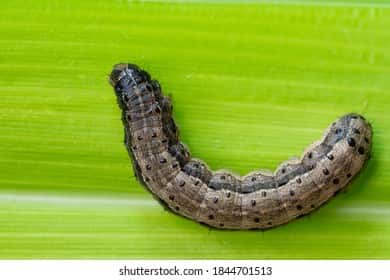
DOCX reference image of a fall armyworm caterpillar on a green crop leaf.
Crop pestsAgricultural invasive insect pest

Spodoptera frugiperda

Fall Armyworm

A major crop pest that damages maize and other staple crops, increases control costs, and deepens household production risk.

High risk to staple food systems
Learn More
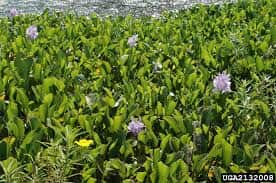
DOCX reference image of water hyacinth plants and purple flowers.
Aquatic speciesAquatic invasive plant

Eichhornia crassipes

Water Hyacinth

Dense mats choke waterways, disrupt fisheries, reduce oxygen levels, and interfere with transport, irrigation, and hydropower systems.

High risk to water systems and mobility
Learn More
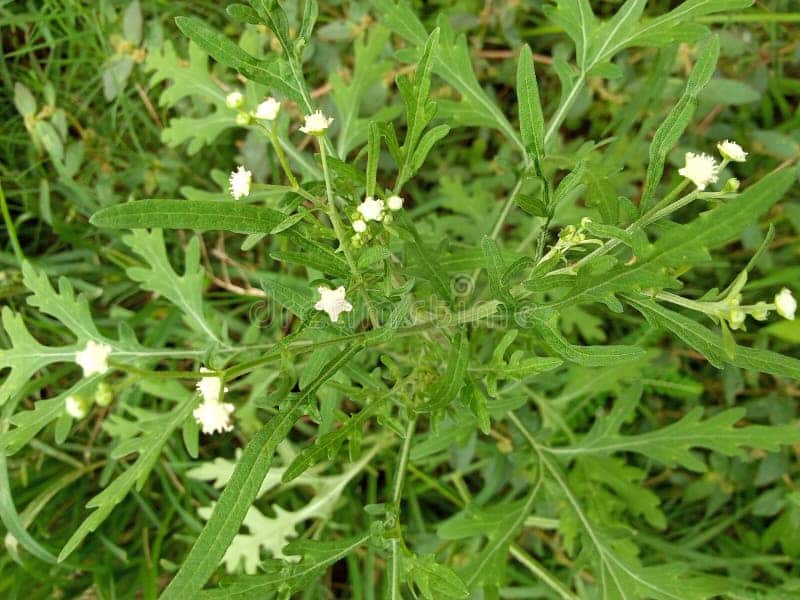
DOCX reference image of Parthenium hysterophorus foliage and white flowers.
Invasive weedsTerrestrial invasive weed

Parthenium hysterophorus

Parthenium

This weed suppresses forage species, affects biodiversity, and can create public and animal health concerns where infestations become widespread.

High risk to grazing systems and public health
Learn More

Response

Response must be practical, evidence-based, and coordinated

Strong management combines surveillance, prevention, intervention, regulation, and recovery in ways institutions and communities can sustain.

What good response looks like

Clear field guidance, realistic management options, and institutions that can work together early.

CISA focuses on the response methods people actually need to compare and understand: mechanical, chemical, biological, cultural, legislative, and integrated management.

Translate research into guidance that can be acted on quickly.Support agencies and partners with practical monitoring tools.Design response around ecological evidence and social feasibility.Reduce long-term reinvasion risk through recovery and stewardship.
Control

Mechanical management

Physical removal, trapping, cutting, harvesting, or habitat clearing can reduce invasive populations where direct intervention is feasible.

Best used when

Most effective where infestation is localized, access is possible, and follow-up maintenance can be sustained.

Watchpoints

Labour-intensive methods can fail without long-term maintenance and safe disposal planning.

Mechanical management
Control

Chemical management

Chemical tools may be used selectively where evidence supports them and where application, safety, and regulatory oversight are adequate.

Best used when

Relevant in some high-burden agricultural or weed-control contexts with professional supervision and monitoring.

Watchpoints

Requires stewardship to avoid environmental harm, resistance pressure, and misuse.

Chemical management
Suppression

Biological control

Natural enemies can provide sustained pressure against invasive species where careful testing and regulatory approvals support safe deployment.

Best used when

Often valuable for invasive weeds or aquatic species where long-term suppression is needed.

Watchpoints

Needs strong scientific assessment, monitoring, and institutional oversight.

Biological control
Integrated response

Integrated management

Combines mechanical, chemical, biological, cultural, and legislative tools into a coordinated programme aligned with ecology and implementation capacity.

Best used when

Best for complex, persistent, or landscape-scale invasions affecting multiple sectors.

Watchpoints

Coordination failure can undermine otherwise sound technical strategies.

Integrated managementLegislative and regulatory actionCultural management

Trust and collaboration

Built to serve researchers, policymakers, educators, donors, journalists, and the public.

CISA brings together strong public language, credible partnerships, and practical educational depth in one serious institutional platform.

i-

icipe - International Centre of Insect Physiology and Ecology

Research institute

Africa and global research network

I-

IITA - International Institute of Tropical Agriculture

Agricultural research institute

Sub-Saharan Africa

C

CABI

International nonprofit science organization

International member-country network

RU

Regional Universities Network

Research consortium

Pan-African

AP

African Plant Health Alliance

Technical nonprofit partner

Eastern and Southern Africa

FB

Freshwater Basin Collaboratives

Implementation network

Great Lakes and river basin systems

CP

Continental Policy Forum

Science-policy platform

Pan-African

Act with CISA

Support a stronger African response before more damage becomes harder to reverse.

Partner on research, strengthen public understanding, support field action, or help build better response systems.